The second bite of the apple connotes more than you think

Be grate-ful and not regret-ful; enjoy your every bite of your apples literally and physically

A few days ago, I learned a new phrase while watching a soap opera. In the episode, a group of lawyers feel so frustrated, when they are about to lose a case. To their surprise, a new piece of evidence comes in, and the boss screams to the team, “Here comes the second bite of the apple!”

It occurred to me that it must be some mind-boggling slang that is infused with lots of wisdom. When I looked it up in the dictionary, “a second bite of the applesimply means a second chance. A second chance is always associated with hope, or a breakthrough. Being inquisitive by nature, I decided to interpret this new term literally to see what I would find.

My first bite of the apple

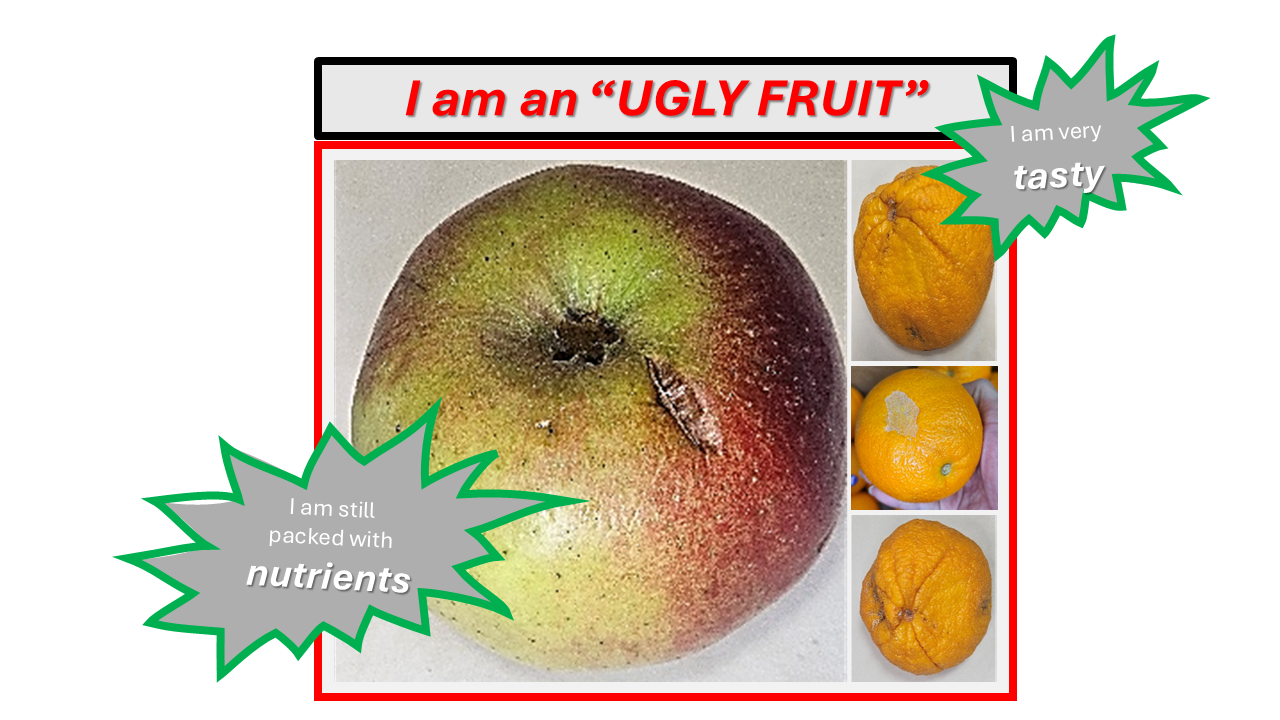
My last direct experience with apples was two years ago. I went on a safari trip in South Africa. During the trip, I had the opportunity to visit friends who were working in orchards. Since we would be making apple pie for dessert, I was invited to pick apples for them. Of course, it is a no-brainer that all ugly fruits carry the same nutritional value, freshness, and taste as their beautiful counterparts. However, being a complete novice in fruit picking, I avoided those with scratches or odd shapes.

The destiny of ugly apples

When I was about to wrap up my apple hunting journey, I noticed a few dumpsters right behind me. Each dumpster (with the capacity as large as a shipping container), was full of scratched and “weird looking apples”. I walked up to the “ugly looking apples,” and picked one up, and looked at it closely. My friends told me that it is a common practice for defective or unsightly fruits to go to landfills, with only a small percentage of them being used for juice or jams.

What a waste!!! You might think. I feel the same way. In school, we are taught to appreciate the taste, nutrition, and freshness that most fruits offer. Teachers always tell us that we should respect the hard work of the farmers by cherishing every piece of agricultural product. In reality, people hold a double standard. Most customers, including myself, shun fruit in unusual shapes. A market research professional, Mary Lee, also cites that the sales performance of a product is highly determined by its appearance. As a result, lots of ugly fruits are disposed of, and only those adorable ones will be selected for higher selling prices.

Ugly fruits will be tossed away because they are undesirable. What makes them look so ugly then? Apart from DNA, another key contributor will be the growing environment.

Fruit is just like us; when they are growing on the tree, they are competing for resources such as sunshine, rain, nutrients, and the like. Since they are exposed to the sky directly, birds will bite on them, and the excessive sun rays will cause sunburn on their skins. Sometimes, the branches and the sand blown by the wind will hit them and leave scratches on their skin. When other pieces of fruits or branches are blocking their way, they will grow around the obstacles, resulting in odd shapes. Indeed, these scratches or imperfections represent proof of living. Each mark signifies the challenges they have been through. Unfortunately, these scratchy skins will lower their commercial value and increase the likelihood of them becoming food loss or food waste.

What’s wrong with holding a high standard?

People who are living in a more developed country will tend to hold a higher standard. When good-looking fruits have become a trend at the market, the growers will grow as much as possible to secure the supply. Extra resources, such as soil, land, labor, machines, time, and the like will be invested to grow fruits. To compensate for the extra expenses as well as the loss of throwing away the ugly looking fruit, the farmers will somehow transfer a portion of the loss to the end users. Nonetheless, part of the loss is still covered by the farmers. Big farmers might have more resources to bear the cost, but it is not the same case for the small farmers. They have no choice but to fold their businesses.

This situation has existed for more than a decade now. Vanessa Wilhide, a grower from California, claims that currently, the produce industry is lacking young people to join because of the hard work and low economic returns. Long hours, expensive labor, high maintenance cost of machinery, unexpected weather, and pests are the major setbacks that drain away the passion and hope of a farmer. Not only does her son refuse to join the industry, but he also keeps urging her to quit. The fewer the growers, the lower the food supply will be. When the supply becomes scarce, it automatically drives up the cost and results in high prices at the supermarket. Unfortunately, this is only part of the story.

What’s more, food waste has become a pressing concern that worries most environmentalists and scientists.

Why is food waste such a huge concern then?

Apart from the fact that the price paid for the misuse of unnecessary resources is extremely high, the creation of methane from decomposing food in landfills causes serious environmental issues. Greenhouse gases will accelerate the process of climate change.  All of that will exacerbate the entire ecosystem, followed by the collapse of biodiversity. When the food chain malfunctions, the quality and amount of food are adversely affected.

According to Statisca, around 30% of food is wasted or lost each year. Within that, produce contributes to over a 25% loss. This is a very alarming figure compared to other categories, such as meat.

According to the World Health Organization, around 733 million people faced hunger in 2023. On average, one in eleven people is facing catastrophic hunger, with 20% of hunger cases existing in Africa.

To make our world a better world, some European countries are taking the initiative to respond to it at a ground level. For example, in France, a trendy and forward-thinking country - and in order to arouse public awareness - an “Ugly Fruit” campaign was launched among some of the major supermarkets. Like the motto of the EU funded project: “Beautiful people buy ugly fruit. In other words, people who buy ugly fruit are beautiful. Why, you may ask? Because those people are kind and open minded; they look beyond the appearance and care about the true value of a thing. These characteristics are considered as inner beauty which you can possess all your life.

Luckily, this campaign was a great success. It serves as a wake-up call to the public that inner value should be what we emphasize. It is like a gift; the wrapping paper does not change the nature of the gift inside.


Here comes my second bite of the apple

For myself, except for gifting purposes or special occasions, when it comes to self-consumption, I look for fruits packed with nutrition and flavor rather than just a pleasing look. I appreciate the scratches because they are the success story of every challenge that the fruit has gone through while growing up on the tree. The odd shape adds charm and character to the fruit. Unlike the manufactured products, every piece of fruit is unique.

It is such a pity that “Ugly Fruit Campaign” is not available in most Asian countries. However, when you visit a wet market or some local fruit stores, many retailers are more than happy to give you an extra discount for purchasing the “Ugly fruit”. As long as it is still edible, I highly recommend that you buy it and spend the money you save on something else. Money should be spent wisely and meaningfully.

A magical chain effect beyond your imagination

Once you accept this new mindset and take action, a chain effect will take place. First, you will stand out in your social circle by becoming the first beautiful person to buy ugly fruit. To push it further, when you use the money that you save on something meaningful, like taking classes for your interests or getting yourself some nice clothes, over time, you will acquire both inner and outer beauty and shine like a star in your group.

Now, you know, next time, when you are experimenting with a new dish, or just making yourself an apple juice, just bear in mind that the ugly apple with discolored, pebbly skin provides exactly the same nutrition and flavor as the beautiful one. Align with the latest global trend that, be a pretty person to buy “ugly fruit”. Give an “UGLY APPLE” a second bite by turning it into your favorite dish or drink.

We all deserve a second chance, and so does your apple.

Once again, as a fruit lover's reminder, all edible fruits (including the ugly ones) bring nutrition and flavor to color your life.

Bless you all!

Share this post


Related Post